Termite Tenting in Bellingham, WA
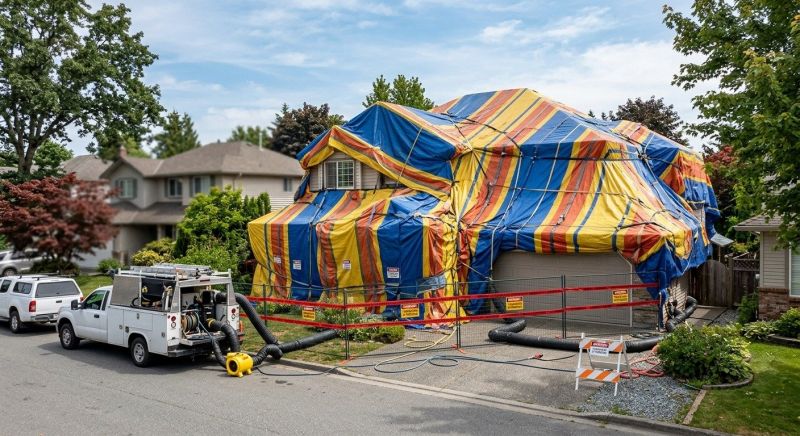
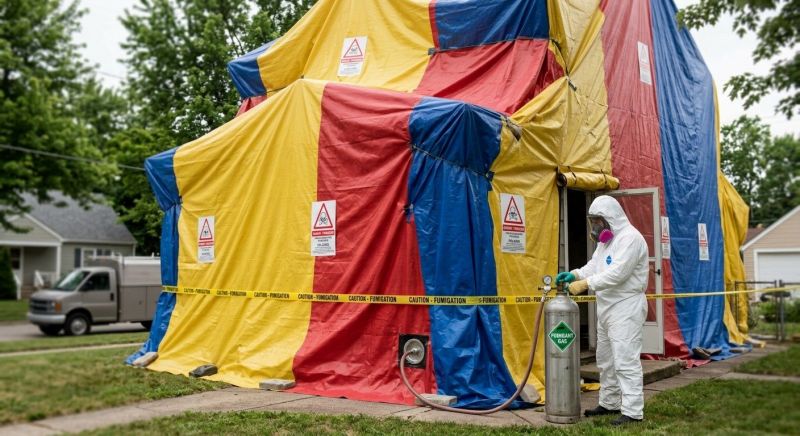
Termite tenting services involve enclosing a property with a large tent or tarp to safely contain fumigation chemicals that eliminate termite colonies. This method is commonly used for severe infestations or when traditional treatments are insufficient, covering entire homes, commercial buildings, or large structures. Property owners typically want to understand the scope of the process, including preparation steps, the duration of the treatment, and any safety precautions needed during and after fumigation.
Before requesting termite tenting, homeowners should consider the presence of pets, plants, or sensitive materials that may require special handling or removal. It is also important to understand the necessary post-treatment procedures, such as ventilation and clearance checks, to ensure the property is safe for occupancy afterward. Clear communication about the process can help property owners plan accordingly and ensure effective pest control.
Many property owners in Bellingham, WA look into Termite Tenting for repairs, replacements, upgrades, and appearance-related improvements.
Termite Tenting Overview
This service provides a comprehensive solution for eliminating termites from residential and commercial properties in bellingham, wa.
Protection For Your Property
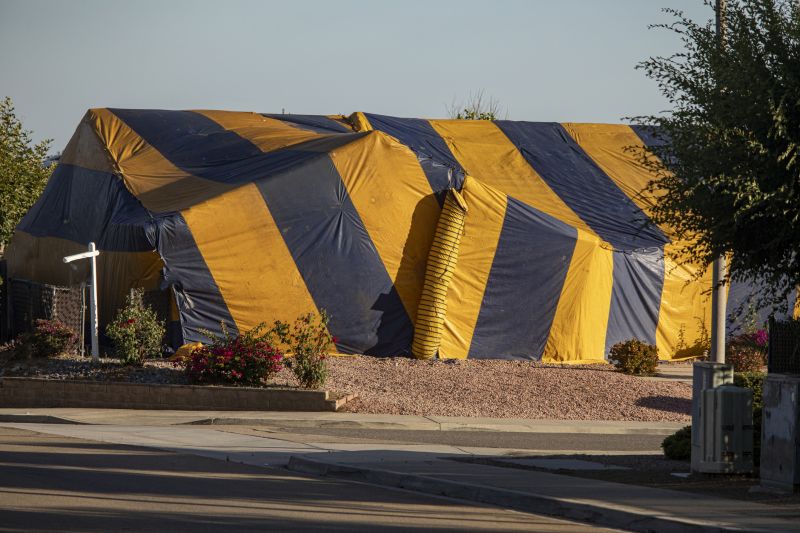
Tenting creates a sealed environment that effectively eradicates termites and prevents future infestations.
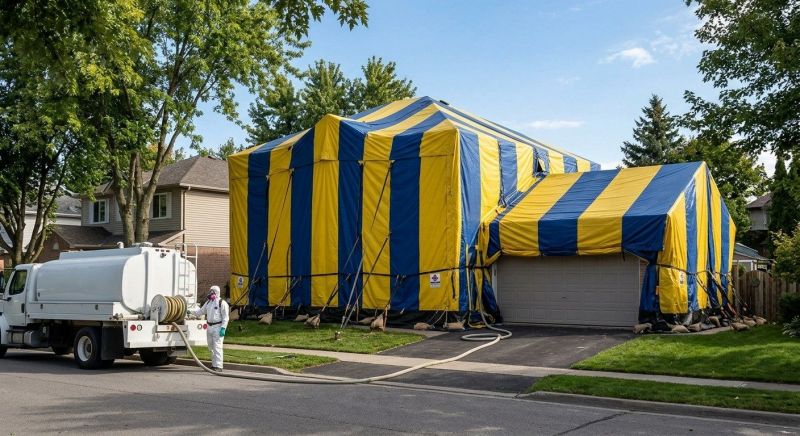
Ideal For Infested Structures
Termite tenting is suitable for homes and buildings experiencing significant termite activity requiring thorough treatment.
Termite Tenting in Bellingham, WA
Termite tenting services involve enclosing a property with a large tent or tarp to safely contain fumigation chemicals that eliminate termite colonies. This method is commonly used for severe infestations or when traditional treatments are insufficient, covering entire homes, commercial buildings, or large structures. Property owners typically want to understand the scope of the process, including preparation steps, the duration of the treatment, and any safety precautions needed during and after fumigation.
Before requesting termite tenting, homeowners should consider the presence of pets, plants, or sensitive materials that may require special handling or removal. It is also important to understand the necessary post-treatment procedures, such as ventilation and clearance checks, to ensure the property is safe for occupancy afterward. Clear communication about the process can help property owners plan accordingly and ensure effective pest control.
Many property owners in Bellingham, WA look into Termite Tenting for repairs, replacements, upgrades, and appearance-related improvements.
Common Termite Tenting Jobs
Termite Tenting Services - comprehensive treatment to eliminate termites from entire properties.
Homeowner Pest Control - effective solution for safeguarding homes against termite infestations.
Property Preservation - protecting residential and commercial buildings through targeted tenting procedures.
Infestation Removal - thorough extermination to prevent future termite damage.
Pre-Construction Treatment - barrier installation to protect new structures from termite entry.
Post-Infestation Cleanup - ensuring property safety and integrity after treatment completion.
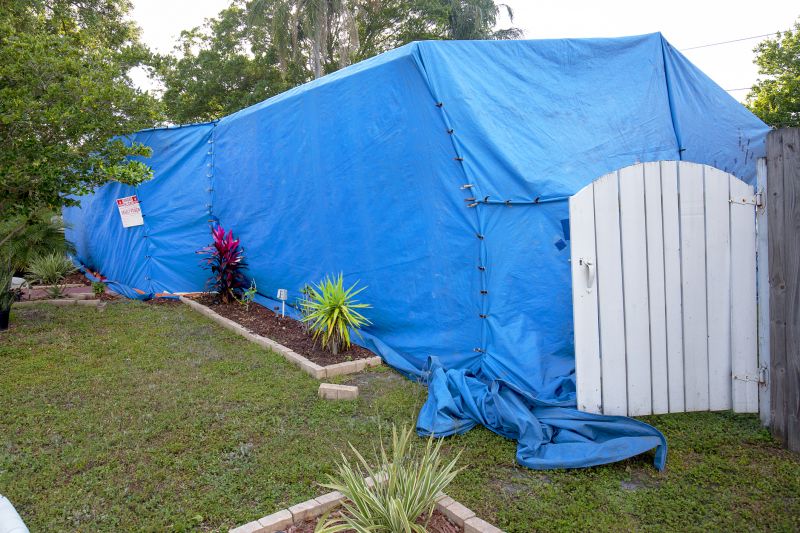
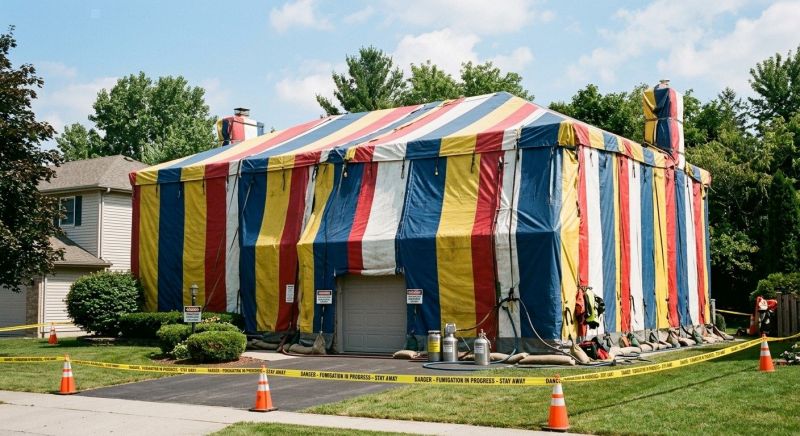
Termite Tenting Questions
What is termite tenting? Termite tenting involves covering a property with a tent-like structure and releasing gas to eliminate termites throughout the building.
Which types of properties are suitable for tenting? Tenting is typically used for homes, commercial buildings, or large structures with active termite infestations.
Is the property safe to occupy after tenting? The property must be vacated during treatment and for a specified period afterward to ensure safety from residual gases.
What should be done before a termite tenting service? Property owners should remove or protect food, plants, and pets, and follow any preparatory instructions provided.
Request Termite Tenting in Bellingham, WA
Use the quote form on this page to share the basics of your project and request more information for the type of work you need.